HVAC systems heat and cool interior spaces. They also filter air, maintain comfortable temperatures and control humidity.
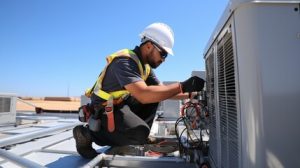
A wide range of HVAC equipment is available to meet individual needs. Energy-efficient units save money through lower operating costs. HVAC designers create building settings that integrate occupant comfort, energy efficiency and sustainable practices.
HVAC, or heating, ventilation and air conditioning, is the equipment that controls the temperature and air quality in homes and commercial buildings. It also helps maintain energy efficiency and promotes healthy air circulation. There are four main types of hvac equipment, including central air conditioners, heat pumps, furnaces, and ductless mini-splits. Each has its own unique set of components and systems that help provide optimum indoor comfort, but they all work in the same way.
Most HVAC equipment is designed to keep homes and businesses at a comfortable temperature. This means that the system is constantly running, which can cause wear and tear over time. However, there are ways to extend the lifespan of your hvac equipment.
If you are looking for a more durable and reliable solution, then consider upgrading to a new model with better materials and advanced technology. This will help you save money and reduce your utility bills over time.
A residential HVAC system is essential for maintaining a healthy and comfortable indoor climate. It consists of key components such as air conditioners, heaters, fans, ductwork, and ventilation lines that regulate temperature and moisture while promoting healthy air circulation.
The most common type of hvac equipment is the forced-air system that is found in most homes. These systems use blower motors to move air over the cooling and heating system’s components. The system then condition the air and sends it through ductwork to rooms throughout the home or business.
These systems can be powered by natural gas, electricity, or even solar power. Some of these systems are hybrids, meaning that the unit’s heater can shift between using either gas or electricity depending on which is cheaper at any given moment.
Ductless HVAC systems are ideal for smaller buildings, multifamily homes, apartment units, and temporary construction sites. These systems work by using copper tubing to connect the outdoor compressor to up to nine indoor air handlers. The indoor air handlers contain the refrigerant, coils, and compressor that cool air, while a fan blows hot air away from the property.
Installation
HVAC installation is a complex process that must be done correctly to ensure maximum efficiency. This is why it is important to work with a premium HVAC company that has the resources and experience to deliver on their promises. Improperly installed systems are prone to breakdowns and may require costly repairs down the road. In addition, improper installation can shorten the system’s lifespan, leading to early replacement needs.
The first step in the installation process is planning and assessment. This involves evaluating your home’s size, layout, and unique features to determine the best type of system for your needs. Our experienced professionals will help you understand the different types of systems available and guide you toward the system that is right for your home.
Once you have selected a system, we will prepare the site for installation. This includes removing any obstacles that will prevent the airflow of the new system, such as shrubs or debris. We will also clear the outdoor area where the compressor unit sits. Finally, we will install the air intake in a location that is away from drafts or direct sunlight so it can take accurate temperature readings.
Electrical and refrigerant connections are next. Our technicians make all of the necessary connections, ensuring that they comply with safety standards. They will also charge the system with refrigerant and test it for proper operation. Once the system is charged and ready to go, you will be able to enjoy comfortable indoor temperatures.
Depending on the size of your building and the complexity of the system, installation can last anywhere from a few days to a couple of weeks. Several factors influence the duration of the installation process, including scheduling and coordination with other contractors. Regular communication and scheduling meetings can prevent misunderstandings and ensure that the project is completed on time.
Once the installation is complete, our team will provide you with a thorough walkthrough of your new system and offer maintenance tips. In addition, we will register your new system with the manufacturer and activate the parts warranty if applicable. This helps protect your investment and gives you peace of mind knowing that your system is covered for the foreseeable future.
Maintenance
HVAC maintenance focuses on servicing a heating or cooling system to thwart the potential for future problems and unnecessary cost. It may include inspections and cleaning of equipment, as well as tuning up parts to ensure that they are calibrated for optimal performance. A professional who provides this service has specialized training and can spot nuanced issues that an on-staff general maintenance person might miss. This often prevents breakdowns, repairs and energy waste, and extends the lifespan of a unit.
A good HVAC maintenance program involves tracking both planned and reactive work with a powerful software solution. This allows facilities managers to build a complete history of maintenance inspections and work orders, including technician details, repair costs and more. Such a tool also helps keep track of important dates like seasonal tune-ups, ensuring that a system is ready for peak performance in the appropriate timeframe.
During an HVAC maintenance visit, technicians check for leaks in the ductwork and evaporator coil, listen for unusual noises, and inspect vents for blockage from furniture, drapes or other items. They may also replace filters, clean the evaporator coil and clean and inspect the cabinet (the outside “shell” that holds all of the components together).
The most important aspect of an HVAC maintenance plan is to catch small issues before they become major problems. A well-maintained HVAC system will operate more efficiently and may save property occupants significant amounts in utility costs.
In addition, HVAC maintenance can help improve the quality of indoor air, which is especially important for people with respiratory conditions like asthma and allergies. The system may also be able to reduce indoor humidity levels, which can contribute to mold growth.
An HVAC maintenance program can be as simple or complex as a company chooses to make it. Regardless of the level of service, however, it is critical for any commercial or residential facility to maintain a robust schedule of routine maintenance. Property occupants might ask for quick service and low prices, but the priority should always be the safety, health and comfort of all individuals who occupy the space.
Repairs
HVAC systems are sensitive, and while there are many DIY projects that homeowners can try, some issues require professional repair. Attempting to tackle complex issues yourself can lead to worse damage, expensive repairs, or even system breakdowns. Performing regular maintenance and responding to minor problems quickly can reduce the need for more costly repair services, while ensuring optimal performance.
Common HVAC repairs include replacing capacitors, fuses, and thermostats. In addition, it is important to replace a clogged drain line and to clean air filters and vents. However, more severe issues can arise, including broken compressors, evaporator coils, or heat exchangers. These issues may lead to decreased cooling, stale air, or high energy bills.
While repairing an HVAC system can be a cost-effective solution, replacement is often more economical in the long run. Newer models offer improved efficiency that can lead to lower energy bills and a more comfortable indoor environment. Additionally, the reliability of a new system can reduce the frequency and severity of issues, cutting down on the need for costly repair.
One of the most effective ways to promote HVAC repair is by explaining how small problems can easily escalate into more costly and time-consuming ones. For example, a rattling sound could indicate loose or broken parts, and could also lead to internal pressure build-up, refrigerant leaks, or electrical issues like frayed wires. A repair technician will be able to assess the issue and perform the necessary repairs, helping you avoid major problems and save money.
When deciding between repair and replacement, a qualified HVAC technician can help you evaluate the situation. They will be able to identify the problem and recommend the best solution based on your needs, budget, and comfort goals.
HVAC repair and replacement are both essential to a healthy home or workplace. Properly performing these functions can ensure that the spaces are comfortable and free from contaminants. HVAC maintenance can also reduce energy usage, reducing power costs and promoting environmental sustainability. When these factors are considered, the choice between repair and replacement can be an easy one for homeowners.