Top Hardscaping Ideas to Transform Your Yard

Landscaping isn’t just about lush greenery and vibrant flowers. The structures, pathways, and surfaces that shape an outdoor space, collectively known as hardscaping, are just as important. Hardscaping brings order, durability, and balance to the softness of plants. Done well, it transforms a simple yard into a functional, inviting, and visually striking environment.

Below are some of the top Hardscaping ideas that can elevate your yard and make it a true extension of your living space.
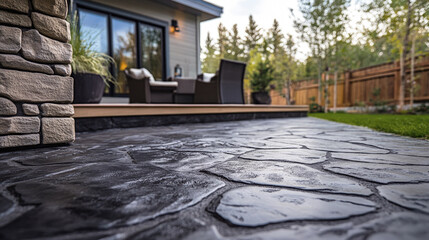
Hardscaping

1. Paved Patios: The Heart of Outdoor Living

A patio is the foundation of most outdoor spaces. Whether you’re entertaining friends, dining al fresco, or just relaxing with a book, a patio gives you a designated area to do it.

  • Material options: Natural stone (flagstone, slate, granite) for a classic look, concrete pavers for versatility, or brick for a timeless, warm aesthetic.
  • Design tips: Choose materials that complement your home’s exterior. Consider laying pavers in unique patterns like herringbone or basketweave for added interest.

Adding built-in seating or a fire feature can make your patio feel like an outdoor living room.

2. Walkways and Garden Paths: Guiding Movement

Walkways connect different areas of your yard while adding structure and flow. They prevent your lawn from being trampled and guide visitors intuitively through the space.

  • Straight paths work well for formal gardens or modern homes.
  • Curved paths create a sense of exploration, perfect for larger or naturalistic yards.

Material options range from gravel and stepping stones to more permanent flagstone and pavers. Lighting along the path enhances both safety and atmosphere.

3. Retaining Walls: Structure with Style

Retaining walls aren’t just practical—they’re aesthetic elements too. They prevent soil erosion, manage slopes, and create usable flat spaces.

  • Tiered retaining walls can double as planting areas.
  • Stone veneer or natural rock creates a rustic charm.
  • Smooth concrete walls suit contemporary designs.

When incorporated thoughtfully, retaining walls provide depth and texture, turning a sloping yard into a layered outdoor haven.

4. Outdoor Kitchens: Expanding Your Home

An outdoor kitchen is the ultimate upgrade for those who love entertaining. It turns cooking into a social experience and keeps the party outside.

  • Essentials: Grill, countertop space, sink, and storage.
  • Optional extras: Pizza oven, mini fridge, or a bar counter.

Use durable materials like stainless steel, stone, or concrete that can withstand weather changes. Pair the kitchen with a pergola or shade structure for comfort and style.

5. Fire Pits and Fireplaces: Gathering Points

Few things are as inviting as a fire feature. Fire pits and outdoor fireplaces create a cozy ambiance, extend the usability of your yard into cooler months, and naturally draw people together.

  • Fire pits work well for casual gatherings, roasting marshmallows, or evening conversations.
  • Outdoor fireplaces add height, drama, and a focal point for patios.

Surround them with built-in seating or arrange chairs in a circle to encourage connection.

6. Water Features: Movement and Tranquility

Water adds life to hardscapes. From the sound of a trickling fountain to the elegance of a koi pond, water features bring serenity and visual interest.

  • Fountains: Simple to install and great for smaller spaces.
  • Ponds: Create a natural ecosystem and attract wildlife.
  • Waterfalls: Add motion and a dramatic effect.

Pairing water with stone elements makes it feel integrated into the landscape rather than an afterthought.

7. Pergolas and Arbors: Framing Outdoor Rooms

Vertical structures like pergolas and arbors provide shade, define spaces, and add architectural flair.

  • Pergolas: Ideal over patios or outdoor kitchens. Add climbing plants like wisteria or grapevines for a natural canopy.
  • Arbors: Perfect for marking entryways or framing garden paths.

These structures make outdoor areas feel enclosed and cozy, much like a room without walls.

8. Decking: Elevated Perspectives

While patios sit on the ground, decks elevate your outdoor space. They’re especially useful for uneven terrain, creating flat, usable surfaces with great views.

  • Wood decks offer warmth but require maintenance.
  • Composite decking is low-maintenance and weather-resistant.

Add railings, built-in benches, or planters to maximize functionality.

9. Garden Walls and Fences: Defining Boundaries

Walls and fences not only provide privacy and security but also help define outdoor “rooms.”

  • Stone or brick walls: Classic and durable.
  • Wooden fences: Natural and versatile, with endless styles.
  • Metal fences: Sleek and modern, offering strength without bulk.

Incorporating planters or vines can soften hard lines and blend them into the surrounding greenery.

10. Outdoor Lighting: Extending the Day

Lighting is often overlooked, but it’s essential for both safety and atmosphere. Hardscape lighting makes the yard usable long after sunset.

  • Path lights guide movement.
  • Up-lighting highlights trees, walls, or sculptures.
  • String lights add a festive touch over patios or pergolas.

LED fixtures are energy-efficient and long-lasting, making them a smart choice.

11. Driveways with Character

Your driveway is the first impression visitors get of your home. Upgrading it with hardscaping materials can elevate curb appeal.

  • Cobblestone or brick driveways feel timeless.
  • Stamped concrete can mimic natural stone at a lower cost.
  • Permeable pavers allow water to drain, reducing runoff.

Add borders, edging, or lighting for a polished look.

12. Seating Walls and Benches: Functional Details

Permanent seating built into the landscape blends form with function.

  • Stone or concrete seating walls around fire pits or patios double as boundaries and benches.
  • Integrated wooden benches soften the look and add warmth.

These features save space and ensure you always have enough room for guests.

13. Raised Beds and Planters: Mixing Green with Stone

Raised beds and hardscape planters bridge the gap between plants and structure. They’re great for growing herbs, vegetables, or ornamental plants while adding definition to a space.

  • Materials: Stone, brick, concrete, or wood.
  • Design tip: Match planter materials to other hardscaping for cohesion.

Tiered planters can add height and depth to flat yards.

14. Outdoor Structures for Shade and Comfort

Beyond pergolas, consider full-scale shade structures like gazebos or pavilions. These create weather-protected gathering spots and make outdoor spaces usable in all seasons.

  • Gazebos: Freestanding with a classic look.
  • Pavilions: Larger, often with open sides, perfect for dining or lounging areas.

Combine with fans, lighting, and curtains for maximum comfort.

15. Creative Edging: Small Touches, Big Impact

Edging defines planting beds, lawns, and pathways, creating crisp transitions.

  • Stone or brick edging: Durable and structured.
  • Metal edging: Sleek and modern.
  • Wood edging: Natural and rustic.

Though subtle, edging pulls the yard together and makes it feel intentional.

Bringing It All Together

The best hardscaping isn’t about adding every possible feature but choosing the ones that fit your yard, lifestyle, and aesthetic. Think of your outdoor space as a series of connected rooms. Patios, walkways, and walls provide the structure, while lighting, water, and fire add ambiance. Every feature should work together to create balance, functionality, and flow.

Hardscaping has the power to completely redefine your yard—from a blank patch of grass into a welcoming, multi-purpose living area. Whether you’re aiming for a cozy retreat, a lively entertainment zone, or a low-maintenance garden, thoughtful hardscaping choices can get you there.

The Technology Modern Electrical Contractors Use for Precision Work

Electrical Contractors

The electrical contracting industry has undergone a remarkable transformation over the past two decades, evolving from a trade that relied heavily on manual calculations, hand-drawn diagrams, and traditional testing methods to a high-tech profession that leverages cutting-edge tools and digital systems.

Today’s electrical contractors operate at the intersection of traditional craftsmanship and advanced technology, using sophisticated equipment that enables unprecedented levels of precision, efficiency, and safety. Understanding the technology that modern electrical contractors employ provides insight into why contemporary electrical work is more reliable, accurate, and cost-effective than ever before. Contact Jacksonville NC Electric to learn more.

Digital Planning and Design Software

Before a single wire is pulled or outlet installed, modern electrical contractors begin their work in the digital realm. Building Information Modeling, commonly known as BIM software, has revolutionized how electrical systems are planned and integrated into construction projects. This technology allows contractors to create detailed three-dimensional models of electrical systems that can be visualized within the context of the entire building structure. Unlike the flat blueprints of yesteryear, these digital models enable contractors to identify potential conflicts with plumbing, HVAC systems, or structural elements before any physical work begins.

The precision offered by these planning tools extends beyond simple visualization. Electrical design software can perform complex load calculations automatically, determining exactly what amperage service a building requires based on all planned electrical devices and systems. This eliminates the guesswork and manual calculations that could lead to undersized electrical services or wasteful oversizing. The software can also optimize circuit layouts to minimize wire runs, reduce voltage drop, and ensure balanced loading across phases in three-phase systems.

Additionally, these digital tools facilitate better communication between contractors, architects, engineers, and property owners. Changes to plans can be updated in real time and shared instantly across all stakeholders, reducing the miscommunication that often plagued construction projects in the past. When everyone is working from the same precise digital model, the likelihood of costly errors or rework diminishes significantly.

Advanced Diagnostic and Testing Equipment

Modern electrical contractors carry diagnostic tools that would seem like science fiction to electricians from just a generation ago. Thermal imaging cameras, for instance, have become standard equipment for many contractors. These devices detect heat signatures in electrical components, allowing contractors to identify problems that are completely invisible to the naked eye. Hot spots in electrical panels, connections, or wiring can indicate loose connections, overloaded circuits, or deteriorating components long before they fail catastrophically or cause fires.

Power quality analyzers represent another quantum leap in diagnostic capability. These sophisticated instruments can monitor and record voltage, current, harmonics, power factor, and countless other electrical parameters over extended periods. For commercial and industrial clients, this technology is invaluable for identifying power quality issues that might be damaging sensitive electronic equipment, causing unexplained equipment failures, or driving up energy costs. Contractors can now provide clients with detailed reports showing exactly what’s happening in their electrical systems at any given moment.

Circuit tracers and cable locators have also evolved dramatically. Modern versions can identify specific circuits even in complex commercial buildings without the trial-and-error methods of the past. Some advanced models can even locate circuits through walls, floors, and ceilings without requiring access to both ends of the circuit. This precision saves enormous amounts of time during troubleshooting, renovation work, or when adding to existing electrical systems.

Precision Installation Tools

The tools contractors use for physical installation work have also advanced significantly. Laser levels and laser measuring devices have largely replaced traditional measurement methods, enabling contractors to achieve perfect alignment for conduit runs, panel installations, and fixture placement. These tools project perfectly level or plumb reference lines across entire rooms or building facades, ensuring that electrical installations are both functionally sound and aesthetically pleasing.

Hydraulic and battery-powered tools for bending conduit, crimping large conductors, and punching holes in electrical panels and junction boxes have made the physical work more precise while reducing fatigue and human error. These tools can be programmed for specific bends or crimps, ensuring consistency across hundreds or thousands of connections. When every connection is made to exacting specifications, the reliability of the entire electrical system improves dramatically.

Cable pulling systems have evolved to include electronic monitoring that can detect excessive tension on conductors. This prevents damage to wire insulation that might not be immediately apparent but could lead to failures months or years down the line. The precision these systems provide is particularly crucial when pulling expensive large-gauge conductors or sensitive data cables where any damage could compromise performance.

Smart Testing and Verification Systems

Once installation is complete, modern contractors employ sophisticated testing equipment to verify that everything functions exactly as designed. Multifunction electrical installation testers can perform dozens of different tests in rapid succession, checking ground resistance, insulation resistance, polarity, RCD trip times, loop impedance, and many other critical parameters. These devices don’t just tell contractors whether something passes or fails but provide precise measurements that can be documented and compared to specifications.

Many of these testing devices now feature Bluetooth connectivity and smartphone integration, allowing contractors to generate professional test reports on-site that can be emailed to clients immediately. This documentation provides clients with proof that their electrical installation meets or exceeds all applicable standards and codes. The digital records also create a baseline for future maintenance and troubleshooting, adding long-term value beyond the initial installation.

For more specialized applications, contractors now have access to partial discharge detection equipment that can identify insulation breakdown in high-voltage systems before complete failure occurs. This predictive maintenance capability is particularly valuable in industrial settings where electrical failures can result in costly production downtime.

Energy Monitoring and Management Technology

As energy efficiency becomes increasingly important to both residential and commercial clients, modern electrical contractors have embraced technologies that enable precise monitoring and optimization of electrical consumption. Whole-building energy monitoring systems can track energy usage down to individual circuits, providing unprecedented insight into where and when electricity is being consumed. This granular data allows contractors to help clients identify waste, optimize usage patterns, and justify investments in energy-efficient upgrades.

Smart panel technology represents one of the most significant recent innovations in residential electrical systems. These advanced electrical panels can monitor every circuit in real time, detect potential problems before they cause failures, and even be controlled remotely via smartphone apps. Contractors installing these systems provide clients with capabilities that simply didn’t exist a few years ago, including the ability to turn off specific circuits remotely, receive alerts about unusual consumption patterns, and track the performance of solar panels or battery backup systems.

The integration of renewable energy systems like solar panels and battery storage has also driven contractors to adopt sophisticated inverter and charge controller technology. Modern equipment includes monitoring capabilities that track energy production, consumption, and storage with remarkable precision, often providing data in real time through web-based dashboards that clients can access from anywhere.

Communication and Documentation Systems

Perhaps less glamorous but equally important are the digital communication and documentation systems that modern contractors use to manage projects and maintain quality control. Mobile apps designed specifically for electrical contractors enable field technicians to access plans, record progress, document conditions with photos and notes, and communicate instantly with project managers and clients. This real-time information flow ensures that everyone involved in a project has access to the latest information.

These systems also help contractors maintain the detailed documentation that modern building codes and standards require. Every test result, inspection, change order, and completion certificate can be captured digitally and stored in easily accessible cloud-based systems. This not only satisfies regulatory requirements but provides clients with comprehensive records that can be invaluable during property sales, insurance claims, or future renovation work.

Final Thoughts

The technology modern electrical contractors use has fundamentally changed what’s possible in electrical installation and maintenance work. The precision, safety, and efficiency that these tools enable benefit everyone involved in construction and property ownership. While some might worry that technology is replacing skilled tradespeople, the reality is quite different.

These advanced tools augment human expertise, allowing skilled electricians to work more accurately and efficiently while taking on increasingly complex projects that would have been impractical or impossible with traditional methods.

For property owners, the implications are clear. The contractors using these advanced technologies can deliver electrical systems that are more reliable, better documented, more energy-efficient, and easier to maintain than ever before. When selecting an electrical contractor, asking about the technology they employ provides valuable insight into their commitment to quality and their capability to deliver truly modern electrical solutions.

In an era where electrical systems are becoming increasingly sophisticated and integral to building operations, working with contractors who embrace technological advancement isn’t just preferable but essential for protecting your investment and ensuring optimal performance for years to come.